
This interactive demo was created free with Storylane in 2 minutes. Create your own demo
Start free
All Tutorials /Notion

How To Add Properties To Notion Page

Updated on:
May 11, 2026
By:
Madhav Bhandari
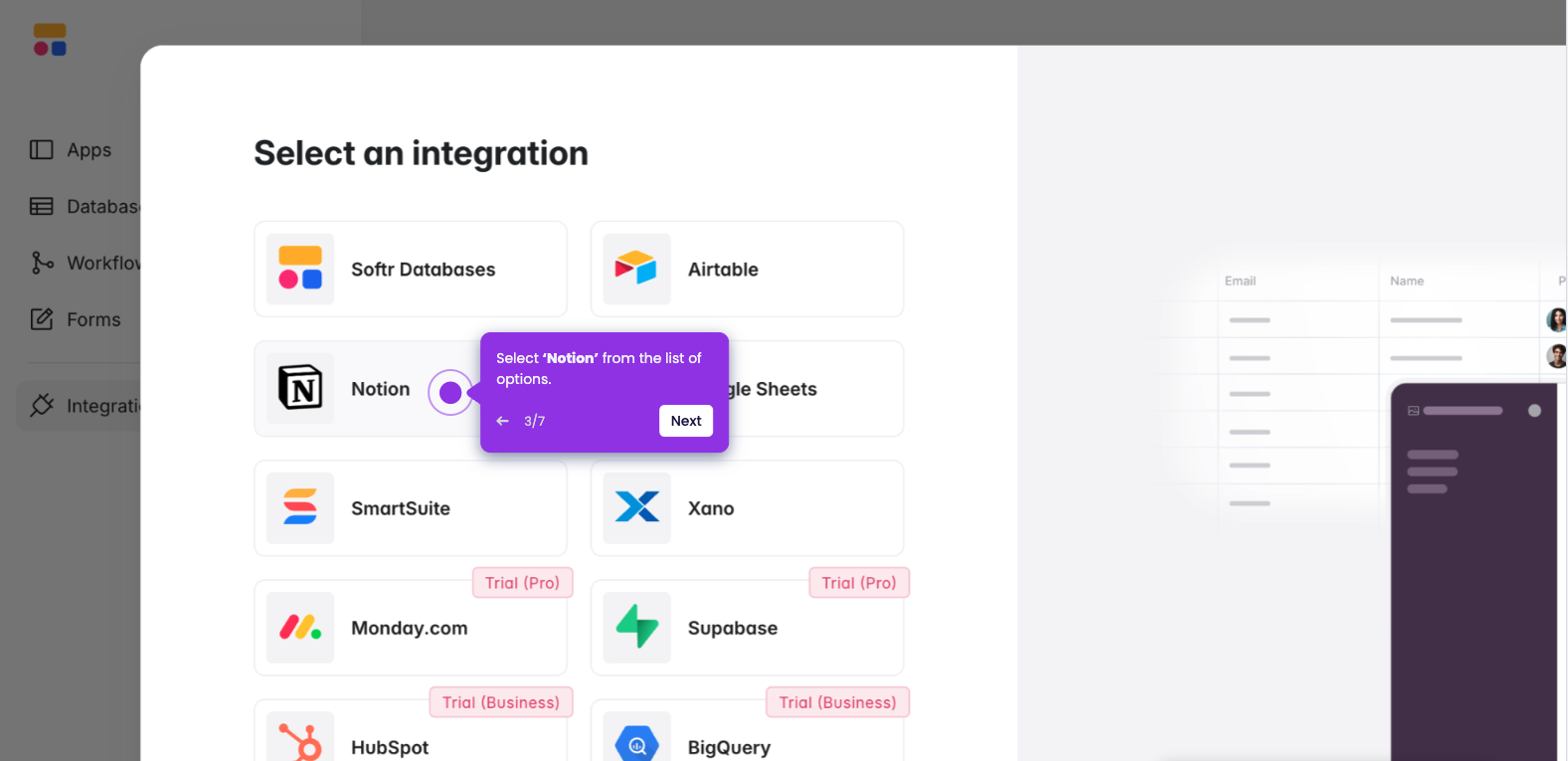
Use this interactive demo to learn how to set up and customize properties on a Notion page.

Quick summary

Adding properties to a Notion page requires inserting a database via the slash command, configuring custom property fields, and linking pages as table entries. Once set up, each Notion page in the database automatically inherits all custom properties you define.


Steps

  1. Create a new page in Notion and enter a title to use as the starting point for adding properties.
  2. Use the slash command (/database) to search for and insert a database into the page.
  3. Remove unwanted properties and add new ones to your table by clicking the + icon.
  4. Select the new property type you want to add from the property menu.
  5. Customize your property by setting its name, type, and any relevant options.
  6. Continue adding more properties to the table as needed to match your workflow.
  7. Once your table with properties is ready, create a new page or select an existing one to add as a table entry.
  8. For this demo, create a new page to use as a sample entry.
  9. Drag the page onto the table to add it as a new database entry.
  10. The page is now an item in the table and will inherit all defined properties.
  11. Enter and customize the property values for this page directly within the table.
  12. Review all properties your table is designed to hold and confirm they appear on the page entry.
  13. Your Notion page now has custom properties fully configured and ready to use.
📌 Why this matters

Adding custom properties to Notion pages transforms simple documents into structured, database-driven records that support filtering, sorting, and tracking across projects. Notion page properties enable teams to attach metadata — such as status, dates, assignees, or tags — directly to any page linked within a database. This structured approach improves information retrieval, supports automation workflows, and makes Notion a more powerful project management and knowledge base tool. For teams evaluating Notion for organized data management, mastering page properties is a foundational skill that unlocks the platform's full productivity potential.
Your product deserves an interactive demo
Start free
Similar Articles
Notion

How to integrate Softr with Notion

Madhav Bhandari
Director of Marketing @ Storylane
Notion

How to Integrate Notion with OneNote

Madhav Bhandari
Director of Marketing @ Storylane
Notion

How to Integrate Notion with Microsoft to-do

Madhav Bhandari
Director of Marketing @ Storylane
Notion

How To Create A Schedule In Notion

Madhav Bhandari
Director of Marketing @ Storylane

How To Create A Schedule In Notion

Notion

How to Copy Notion Page to Another Account

Madhav Bhandari
Director of Marketing @ Storylane

How to Copy Notion Page to Another Account

Notion

How to Add Tags in Notion

Madhav Bhandari
Director of Marketing @ Storylane

How to Add Tags in Notion

Platform
Interactive Demos
Sandbox Demos
Buyer Hub
RepX
Integrations
Solutions
Product Marketers
Growth & Demand Gen
Sales Reps & AEs
Presales & SEs
Customer Success
Product Managers
Customers
Demo Showcase
Customer Stories
Finer Demos Club
Features
Demo Signals
Personalization
Deal Intelligence
Resources
Blog
The Plot
Tutorials
Events & webinars
Help Docs
What’s New
Demo Dundies
Company
Careers
Pricing
Partners
Contact
Trust Center
Backed by
Chrome Extension Icon
Chrome extension
Download
Desktop app
Download
Built in San Francisco Bay Area - ©2026 Storylane
Privacy PolicyTerms & Conditions
X Corp (formerly Twitter)LinkedIn
This website uses cookies to ensure you get the best experience on our website. Learn More
Got it
This website uses cookies to ensure you get the best experience on our website. Learn More
Got it