This interactive demo was created free with Storylane in 2 minutes. Create your own demo
Start free
All Tutorials /Replit

How to Set Environment Variables in Replit

Updated on:
May 4, 2026
By:
Madhav Bhandari
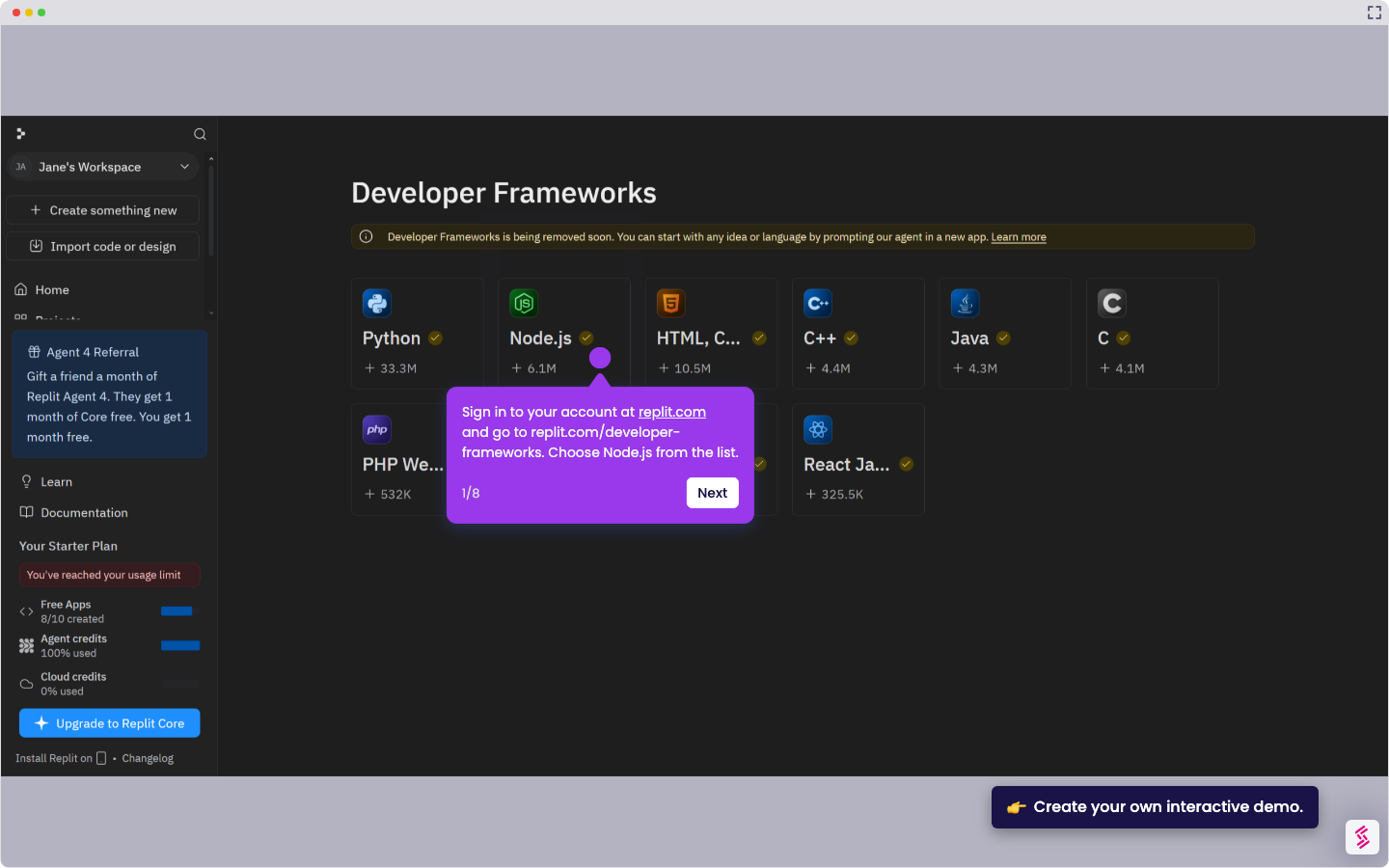
Use this interactive demo to learn how to set environment variables in Replit.

‍

This tutorial shows how to store sensitive values like API keys and bot tokens securely in Replit using the Secrets tab.

Note: You need a Replit account and an existing project. Sign up at replit.com if you don't have one yet. Once set, your secret values are hidden from anyone viewing your project - even if it's public. To learn how to access these values inside your code, see How to Use Environment Variables in Replit.

  1. Sign in at replit.com and open your project from the dashboard.
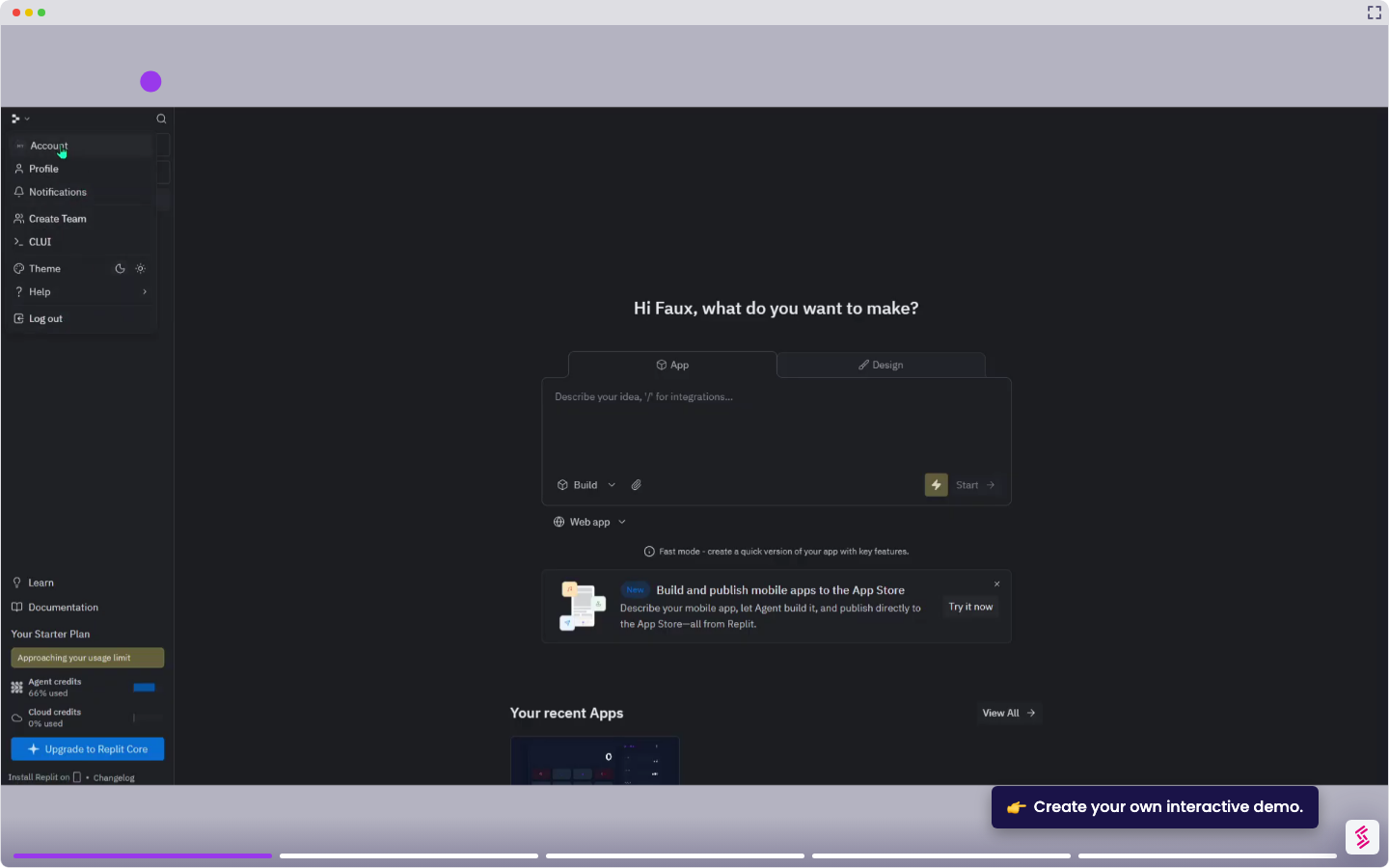
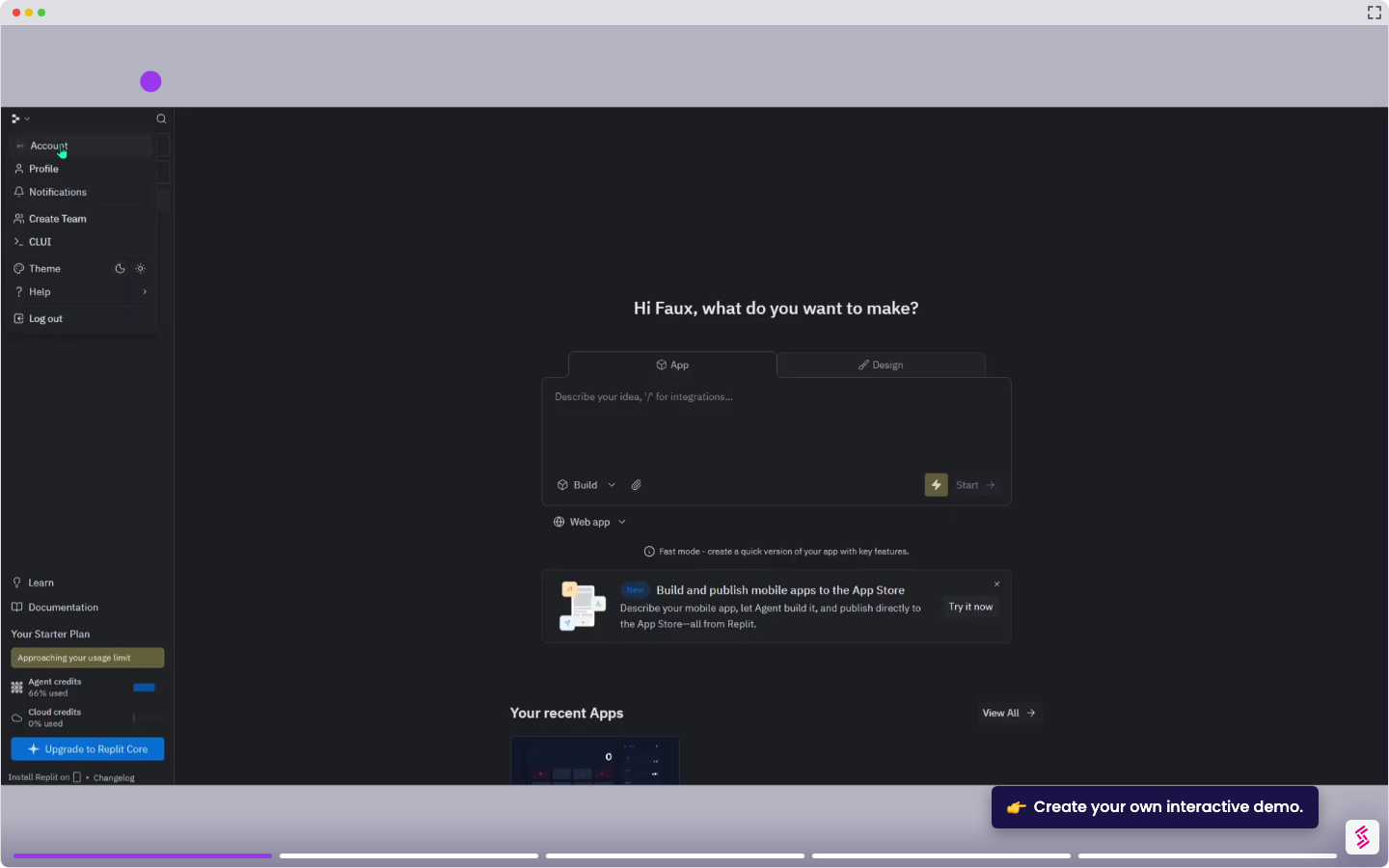
  2. In your workspace, click New Tab and search for Secrets in the left sidebar (the lock icon).
  3. In the Key field, enter a name for your variable - for example, [Name]_TOKEN.
  4. In the Value field, paste your secret value - for example, your Telegram or Discord bot token.
  5. Click Add/Update new secret to save. Your variable is now available to your project as an environment variable.
📌 Why this matters

Hardcoding sensitive values like API keys and tokens directly in your code is a serious security risk - anyone who views your project can see them. Storing them in Replit's Secrets tab keeps them encrypted and hidden while still making them accessible to your app at runtime. This is especially important for bot projects where your token grants full control over your bot's account. It's a simple step that protects your project from unauthorized access and follows industry-standard security practices.

Your product deserves an interactive demo
Start free
Similar Articles
Replit

How to Delete a Replit Account

Madhav Bhandari
Director of Marketing @ Storylane
Replit

How to Delete a Replit Account

Madhav Bhandari
Director of Marketing @ Storylane
Replit

How to Use Supabase in Replit with Node.js

Madhav Bhandari
Director of Marketing @ Storylane
No items found.
Platform
Interactive Demos
Sandbox Demos
Buyer Hub
RepX
Integrations
Solutions
Product Marketers
Growth & Demand Gen
Sales Reps & AEs
Presales & SEs
Customer Success
Product Managers
Customers
Demo Showcase
Customer Stories
Finer Demos Club
Features
Demo Signals
Personalization
Deal Intelligence
Resources
Blog
The Plot
Tutorials
Events & webinars
Help Docs
What’s New
Demo Dundies
Company
Careers
Pricing
Partners
Contact
Trust Center
Backed by
Chrome Extension Icon
Chrome extension
Download
Desktop app
Download
Built in San Francisco Bay Area - ©2026 Storylane
Privacy PolicyTerms & Conditions
X Corp (formerly Twitter)LinkedIn
This website uses cookies to ensure you get the best experience on our website. Learn More
Got it
This website uses cookies to ensure you get the best experience on our website. Learn More
Got it